Welcome to Your Al Pastor Journey
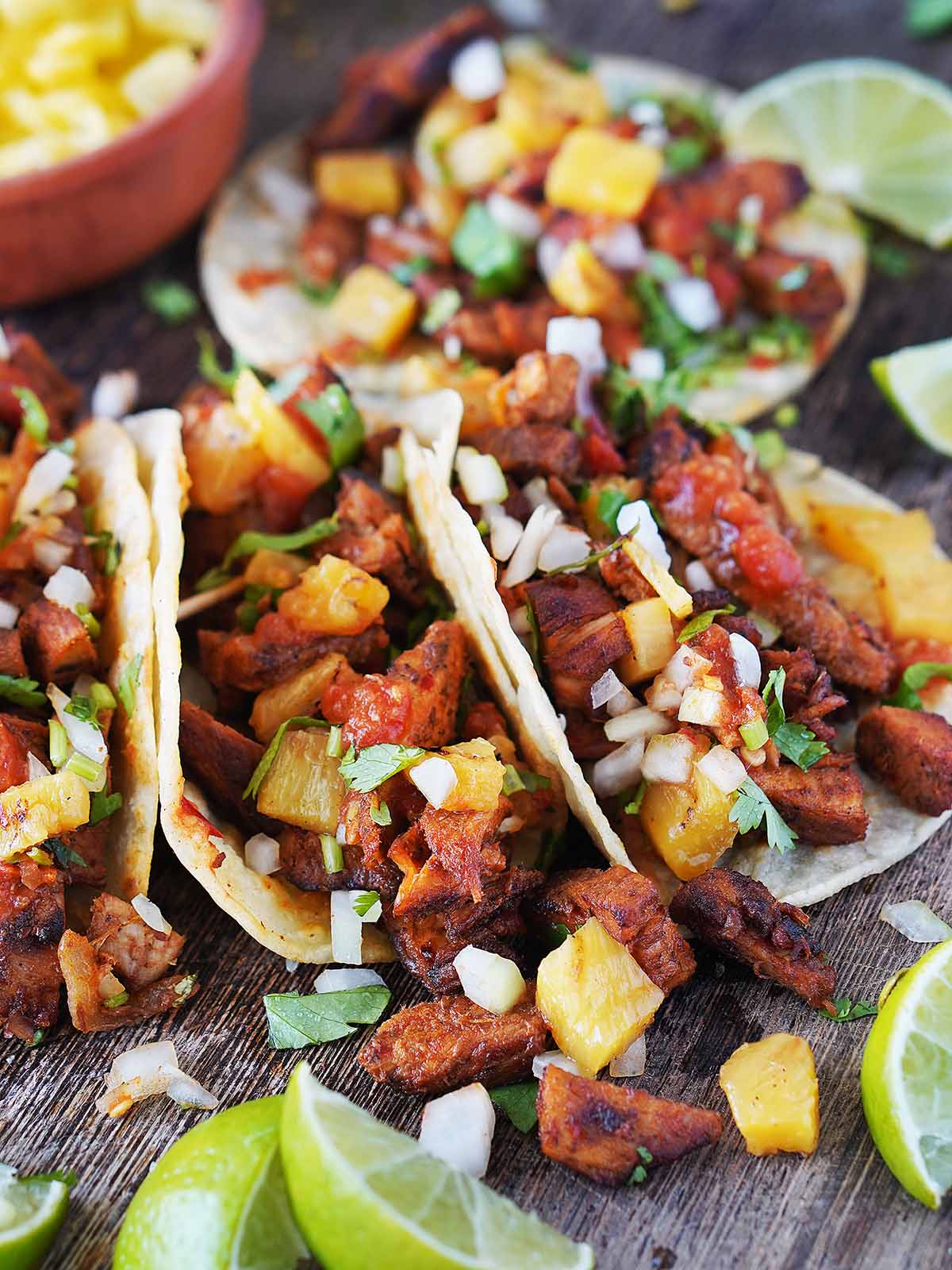
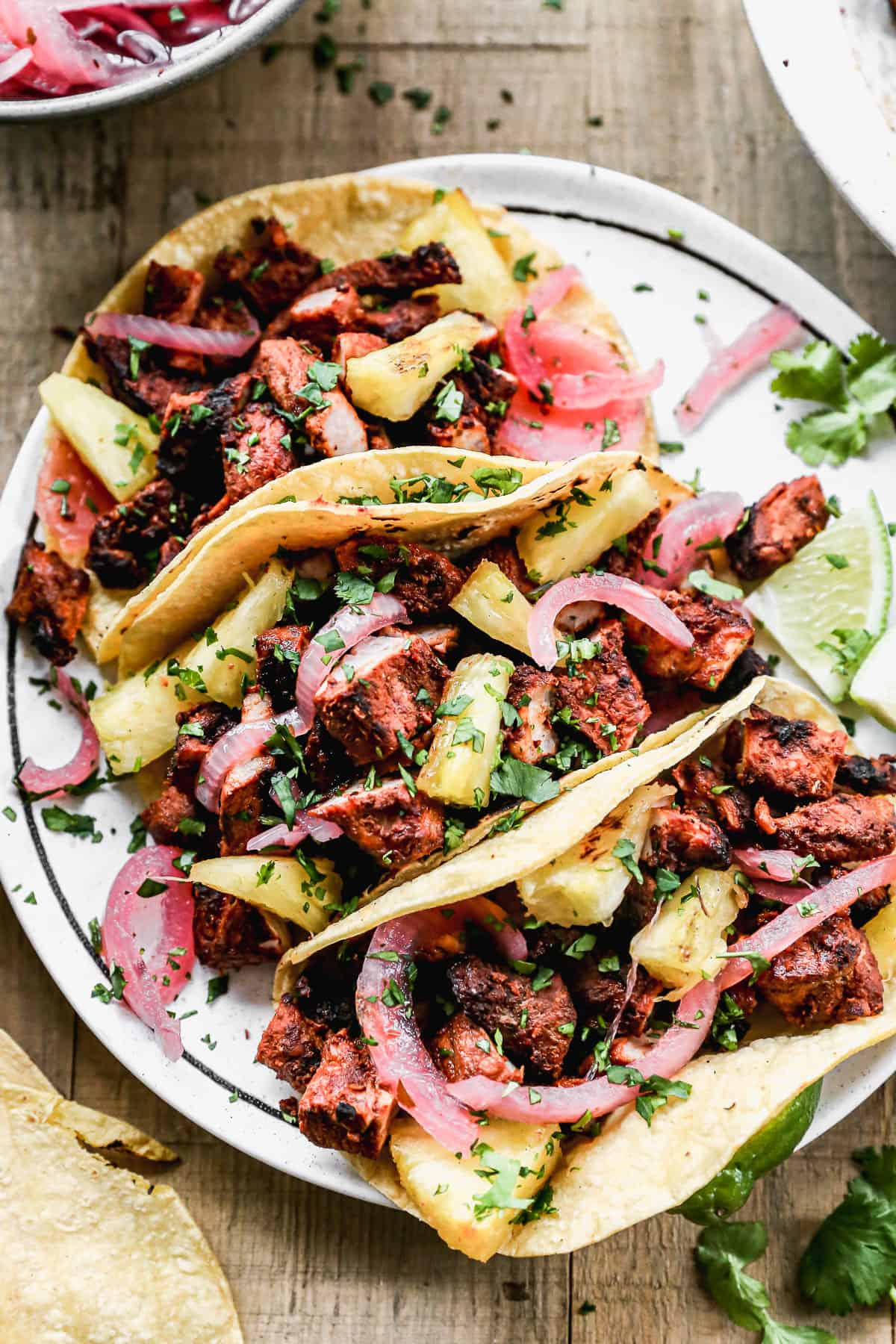
Tacos Al Pastor represent a beautiful fusion of cultures—a Lebanese shawarma technique meets Mexican ingredients. The key to authentic, restaurant-quality al pastor lies in understanding the marinade. This guide breaks down every ingredient, technique, and timing secret [1] to help you create tender, juicy, flavorful pork that will impress everyone at your table.
Visual Inspiration
:max_bytes(150000):strip_icc()/20210712-tacos-al-pastor-melissa-hom-seriouseats-37-f72cdd02c9574bceb1eef1c8a23b76ed.jpg)
Essential Marinade Ingredients
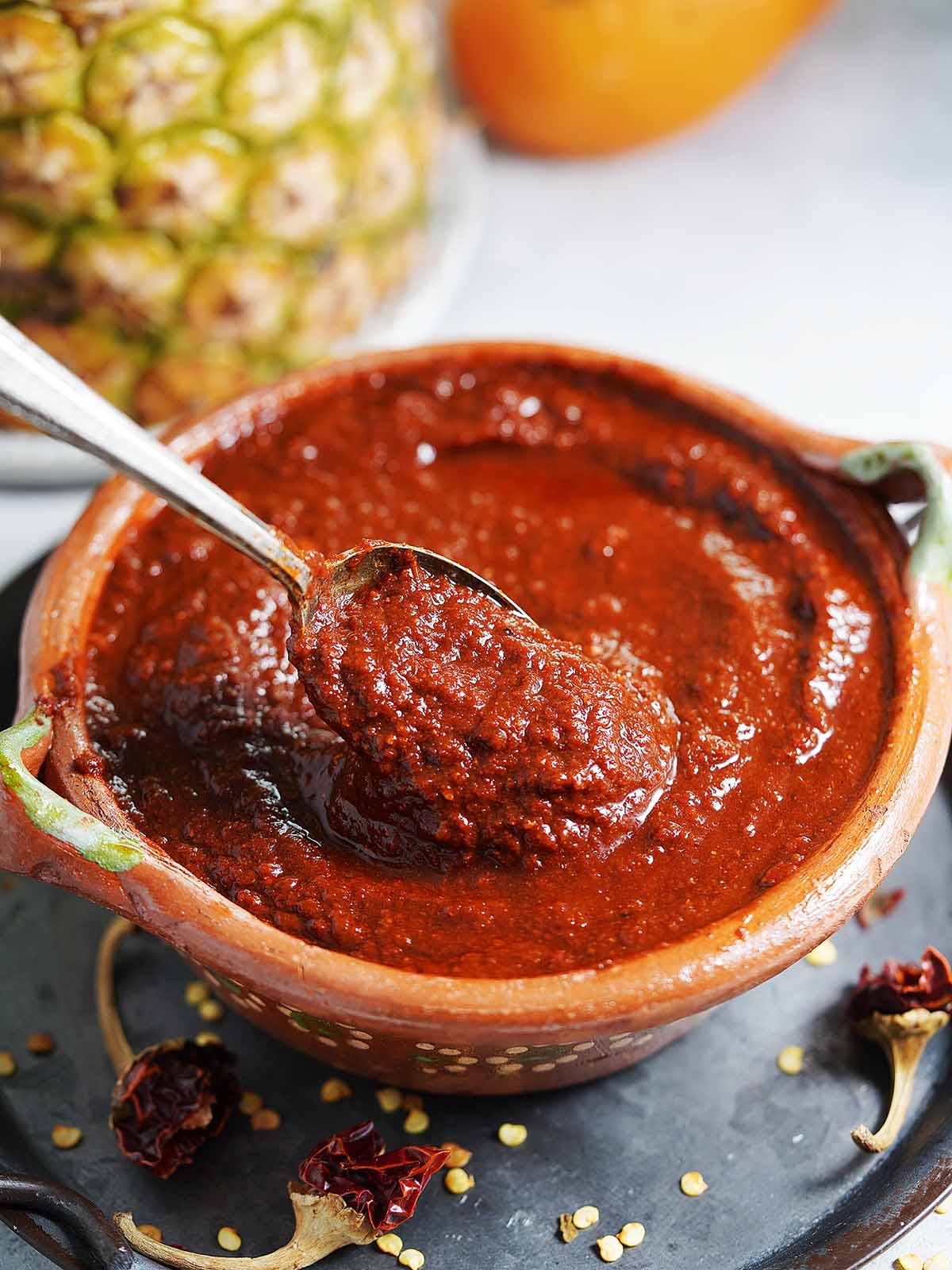
The Star Ingredient: Achiote
💡 Pro Tip: Use paste or powder form. If you can't find achiote, this dish won't be authentic—order online!
Dried Chiles (The Flavor Backbone)
Wet Ingredients
Spice Blend
The Secret: Salt for Texture
Step-by-Step Marinade Preparation
- The softened guajillo chiles
- 1/4 cup of the cooking water from the chiles
- 3 minced garlic cloves
- 1/2 cup pineapple juice (from canned pineapples!)
The Critical Marination Timeline
4 Hours
Place your thinly sliced pork (1/4 inch thick) in a large bowl or ziplock bag. Pour the entire marinade over the meat, ensuring every piece is coated. Cover and refrigerate. The achiote and spices begin penetrating the meat surface. Minimum flavor development begins.
8-12 Hours
At this point, salt has done its magic—myosin proteins have dissolved and re-bonded, creating a firm, cohesive texture. The spices have deeply penetrated the meat. This is restaurant quality! [5]
24 Hours
Beyond 24 hours, the acid and enzymes can start breaking down the meat excessively, making it mushy. If using fresh pineapple juice (which you shouldn't!), limit to 2-4 hours maximum to avoid this problem entirely.
The Science: Why This Timing Matters
Pro Tips for Perfect Marination
Expert Tips from Authentic Mexican Taqueros
Cook pork to 145°F internal temperature. This is slightly under well-done, ensuring tenderness. Higher temperatures dry out the meat, counteracting the tenderizing effects of your perfect marinade [2].
Many recipes say to place fresh pineapple on top while cooking—claiming it "tenderizes" the meat. FALSE! The pineapple enzyme (bromelain) deactivates due to heat before it reaches inner meat layers. Place pineapple on top for flavor and caramelization only, not for tenderizing. Alternatively, use canned pineapple (already cooked) or add it after cooking [5].
Always slice your cooked pork against the muscle grain. This shortens muscle fibers, making the meat more tender and easier to chew. Slicing with the grain produces tough, stringy results.
Traditional al pastor cooks on a vertical spit called a trompo. For home cooking, you have three options:
- Grill: Cook slices directly on hot grill, 2-3 minutes per side
- Oven: Layer marinated meat in aluminum pan, roast at 275°F for 3-4 hours to create a cohesive loaf, then slice and crisp on a skillet
- Mini Trompo: Stack meat between pineapple slices on a skewer, roast in oven or on cool side of grill
Reserve the fat that drips from cooking pork. Use it to:
- Crisp the meat in a skillet before serving
- Brush on pineapple before roasting
- Create an amazing pan sauce with leftover marinade
Essential garnishes:
- Fresh cilantro (not dried!)
- Diced white or red onion
- Grilled or roasted pineapple chunks
- Fresh lime wedges for squeezing
- Salsa verde or hot salsa on the side
Achiote: Look in the Latin/Mexican aisle of grocery stores, or order online (Amazon, Bueno Foods)
Dried chiles: Mexican markets have the freshest selection. Check that they're pliable (not brittle)
Mexican oregano: Different from Mediterranean oregano—more robust flavor. Find in specialty stores or online
Comparison: Fresh vs. Canned Pineapple Juice
| Aspect | Fresh Juice | Canned Juice |
|---|---|---|
| Bromelain Enzyme | Active - breaks down protein (RUINS MEAT) | Deactivated by heat-treatment (SAFE) |
| Flavor | Bright, fresh (if you could use it!) | Slightly sweeter, caramelized |
| Use in Marinades | ❌ NOT RECOMMENDED | ✅ ESSENTIAL |
| Marination Time Limit | Max 2-4 hours | Safe for 12-24 hours |
Your Al Pastor Preparation Checklist
Ingredients Shopping List
Equipment Needed
Preparation Steps (Day 1)
Cooking Steps (Day 2)
Sources & References
Complete step-by-step recipe with authentic adobo sauce marinade technique
Detailed guide on making authentic adobo sauce with proper ingredient proportions and multiple cooking methods
In-depth explanation of why fresh pineapple juice doesn't work, with detailed marinade preparation and trompo cooking method
Home-cook friendly recipe with clear explanations of ingredients and cooking methods for various kitchen setups
Scientific deep-dive into salt's role in protein cross-linking, marination timing, and detailed comparisons of different meat cuts and cooking methods